

Cliffdale’s Meadows: Protecting a Rare Habitat
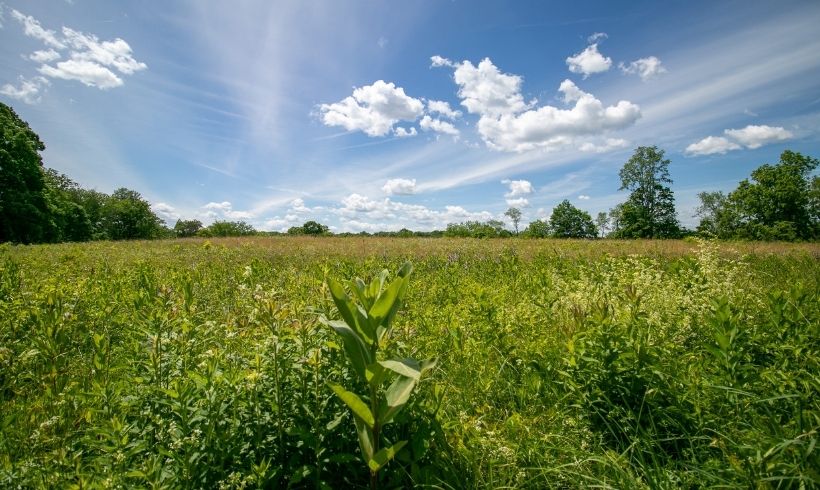
Rather than thinking of a meadow as just a piece of land, it helps to think of it as a place in time.
In nature, ecosystems are constantly changing. The same parcel of land can become many different things over time as fire, water, wildlife, plants, weather, and human activity shape the landscape. A meadow is one stage in that ongoing process.
Meadows can be young or old, but they are almost always temporary without some kind of disturbance or management. Left alone, many meadows in the Northeast will slowly fill in with shrubs and young trees, eventually becoming forest. That means that keeping the meadows at Cliffdale healthy takes active stewardship. In a sense, we are continually slowing the natural succession that would otherwise transform these open spaces into woodland.
There are a few ways to do this, but mowing is one of our main tools. Mowing helps prevent woody plants from taking over while allowing grasses, wildflowers, and meadow plants to continue supporting the wildlife that depends on them.
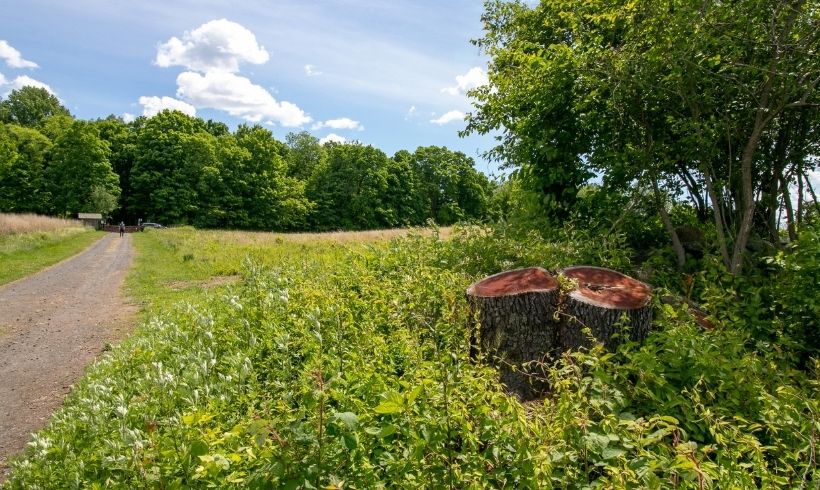
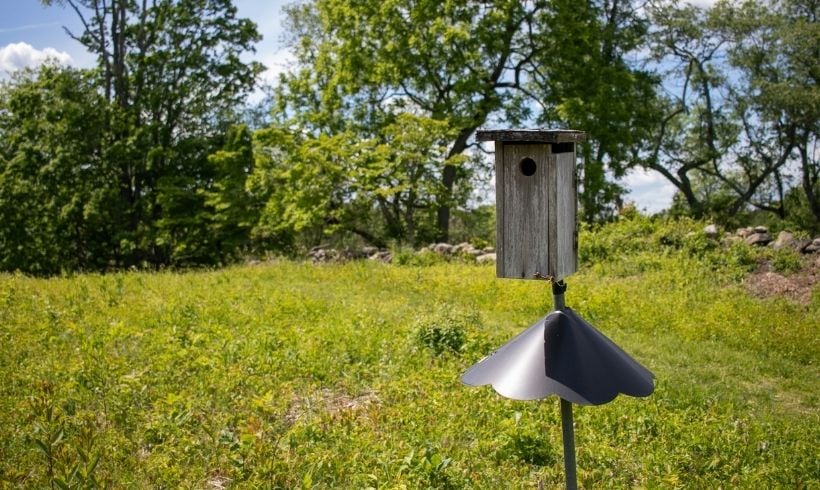
We also recently contracted to have trees removed from the hedge rows that cut through the Cliffdale meadows. This work helps maintain the open character of the meadow and supports the habitat value of these increasingly rare spaces.
Why are meadows important?
Meadows support an entirely different community of life than forests do. Some species rely specifically on open meadow habitat. Others use the edge where meadow meets forest. Still others depend on the mix of conditions created by that transition zone.
What makes this especially important in Westchester is that there is not much meadow habitat left. In the moist climate of the Northeast, abandoned fields often revert to forest relatively quickly. And because clearing land is labor-intensive, many former open areas are simply left to grow into woodland.
On top of that, natural disturbances like wildfire, which historically helped maintain some open habitats, have been suppressed for generations. As a result, meadows are now few and far between in today’s landscape.
By caring for the meadows at Cliffdale, we are protecting a habitat type that is both ecologically valuable and increasingly uncommon — a living snapshot of the landscape at a particular moment in time.
What can you do?
Plant native plants. Even small changes in suburban yards can help create habitat for pollinators, birds, and other wildlife.
You can also join the Less Lawn More Life challenge and be part of a growing movement to turn backyards, lawns, and other everyday spaces into healthier habitat.
For anyone interested in learning more, we also recommend the work of Doug Tallamy, whose books explore how native plants and backyard rewilding can help restore biodiversity close to home.
Leave a Reply