Magical Moths
Teatown 1600 Spring Valley Rd, Ossining, NYCelebrate National Moth week at Cliffdale Farm as our naturalist, Charlie Roberto, lures in moths and other night-flying creatures.
Celebrate National Moth week at Cliffdale Farm as our naturalist, Charlie Roberto, lures in moths and other night-flying creatures.
Research continues to emphasize the positive effects that this Japanese practice has on our health. Join us for a meditative, slowly-paced walk through Teatown’s meadows and woodlands.
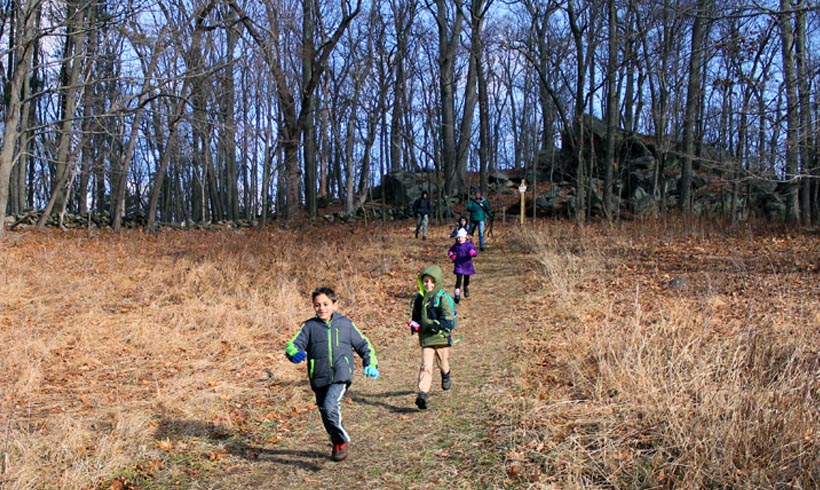
Summertime is a great time for exploration and discovery at Teatown. Lace up your hiking boots and join us for habitat hikes, critter care and stream stomps.
Research continues to emphasize the positive effects that this Japanese practice has on our health. Join us for a meditative, slowly-paced walk through Teatown’s meadows and woodlands.
Summertime is a great time for exploration and discovery at Teatown. Lace up your hiking boots and join us for habitat hikes, critter care and stream stomps.
An annual rite of summer, the North American Butterfly Count is a way for all butterfly enthusiasts to partake in a citizen-scientist monitoring effort. Join Charlie Roberto to locate and count butterflies on the preserve.
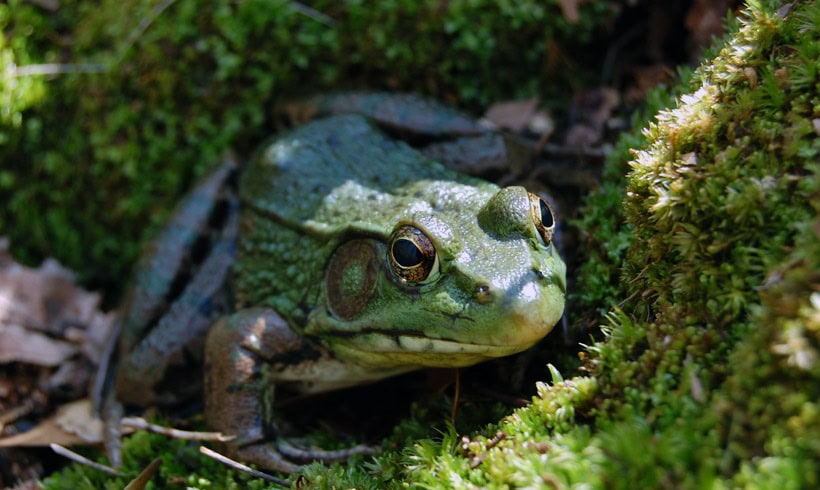
Grab a net and join in as we scoop for tadpoles and dragonfly nymphs in the pond. Then find out what mighty metamorphosis does to these creatures! For Families.
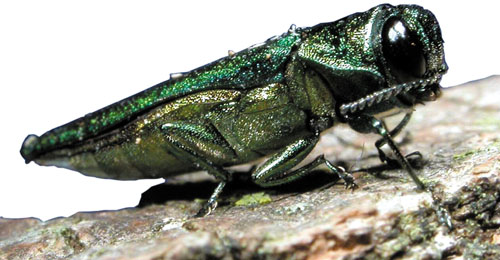
Do you want to learn how to identify new forest pests invading our region? Do you want to learn long-term mitigation and management strategies for Hemlock Woolly Adelgid or Emerald Ash Borer (EAB)? Do you want to become involved in efforts to monitor pests, block pathways of introduction or locate EAB-resistant ash? If your answer to any of these questions is “yes”, you should come to the Invasive Forest Pest Workshop.
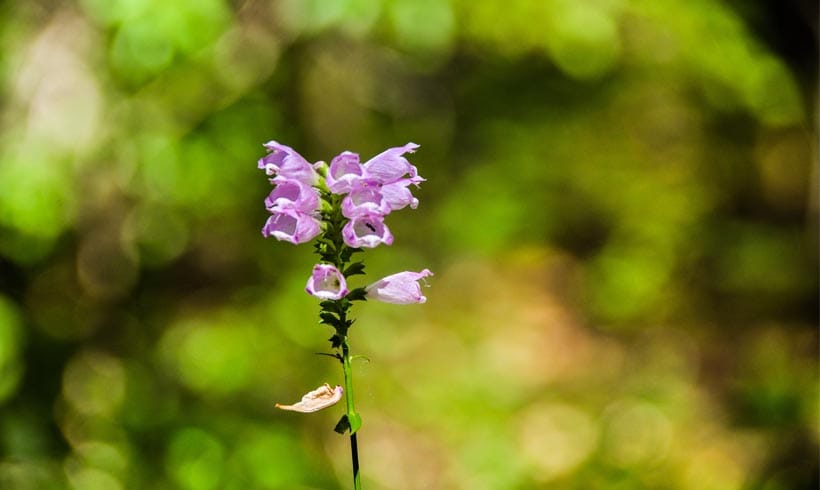
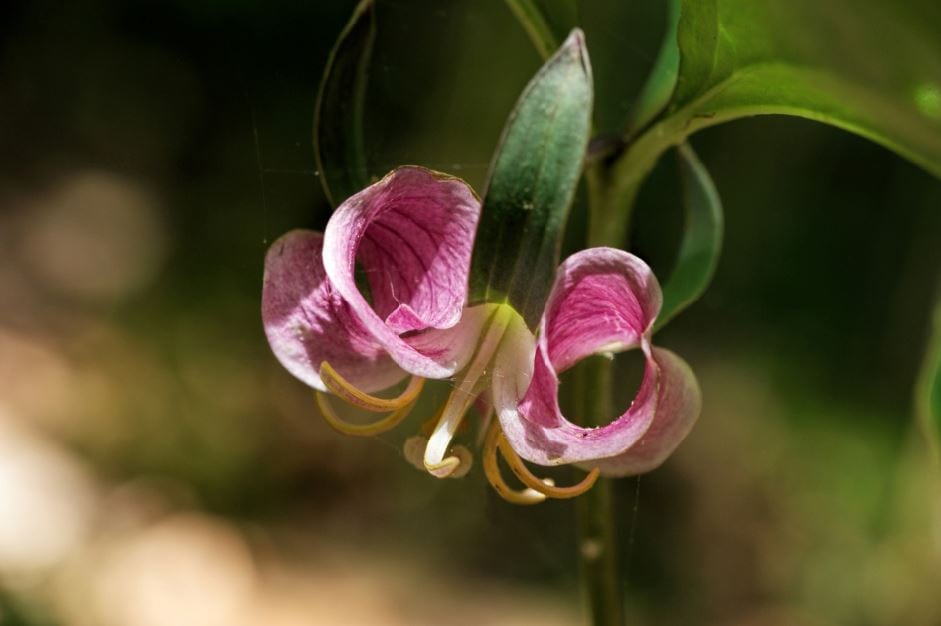
Flowers are pollination stations! Just how does pollen get to where it has to go? What role do animals play in pollination? By dissecting a flower we’ll see what the buzz is about, and learn why protecting our native pollinators is vital.
Teatown’s new Hilltop Trail climbs the highest point at Teatown for a great view of the Hudson Highlands. We’ll be on the lookout for hawks, and warblers, snakes and butterflies.
Did you know that recycling of waste is just as important in natural systems as it is at home? Detritivores make up a large part of the forest food web. Who are they and what do they do?
Spring migration is in full swing at Teatown. Join Charlie Roberto as he searches out breeding warblers and other birds that will use the Teatown woods and meadows to raise their young. Free. For adults.
How difficult can it be to build a nest? Birds do it without hands, by using their beaks and feet. See if you can rise to the challenge and create a nest of your own!
Explore the world of macro and insect photography with Charlie Roberto and Jeff Seneca as they discuss techniques for capturing the smaller organisms of the natural world with SLR cameras and SLR hybrid cameras. Co-sponsored by Saw Mill River Audubon. Free. For adults.
Aliens are all around us and they don’t arrive here from outer space! Hike with an educator to learn more about the alien species in our midst. For Everyone.
Everyone can finish the rhyme April showers… but that is only a part of the water cycle which all of life depends on. Hands on activities to brighten any showery day will have you singing in the rain!
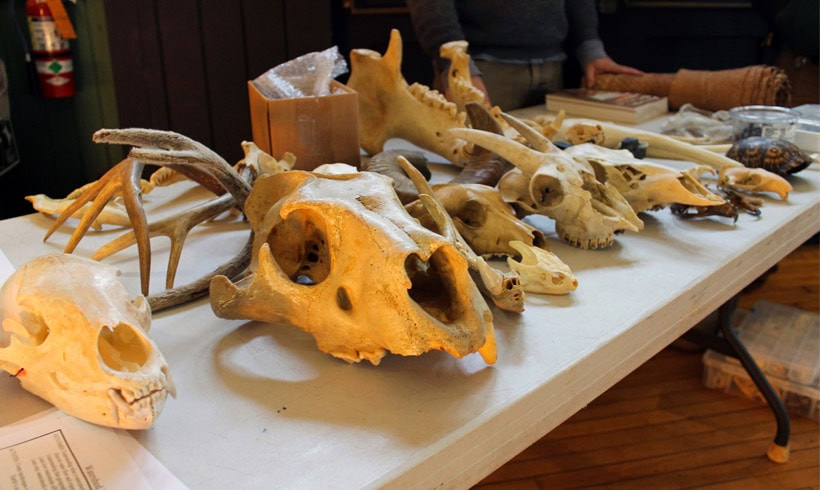
Have you come across bones or scat on a hike and wondered which animal left it? Or found nibbled branches or tracks and tried to figure out who was there? Using Teatown’s collection of skulls, scat and signs we’ll investigate the trail left behind.
Spring is here – get your kids outdoors to see the day! The slugs, bugs and other critters are waking from their slumber. We’ll play games, make crafts and see what spring has to offer.
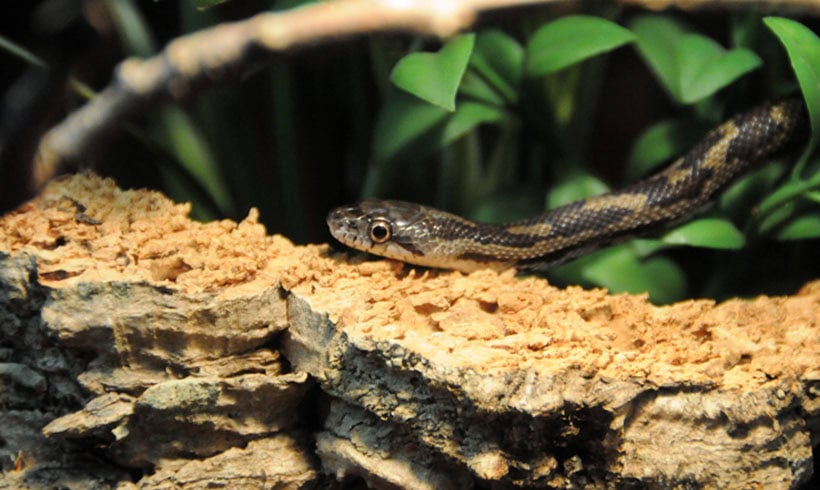
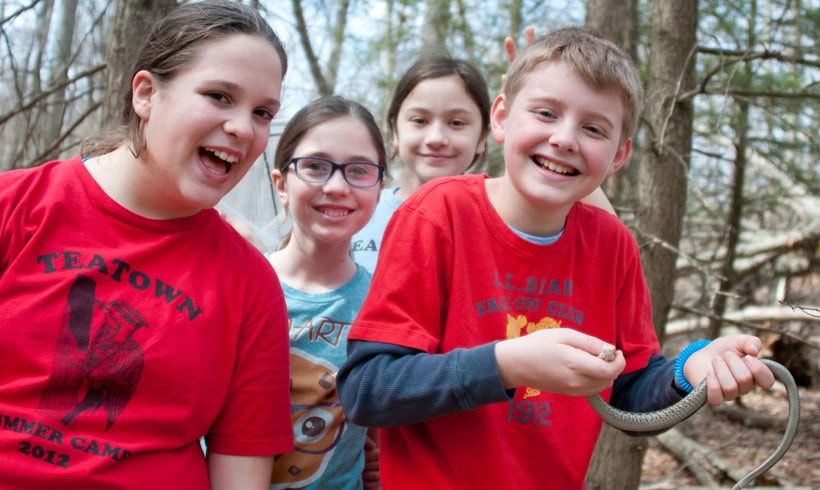
Snakes are some of the most misunderstood creatures on the planet. Scary serpent or valuable predator? Slimy slitherer or rad reptile? Meet a few of Teatown’s snake ambassadors and make a snake finger puppet to take home.
Day 1 of this workshop consists of train-the-trainer workshops aimed at providing volunteers with the knowledge needed to teach others how to identify important pests new to our area.