

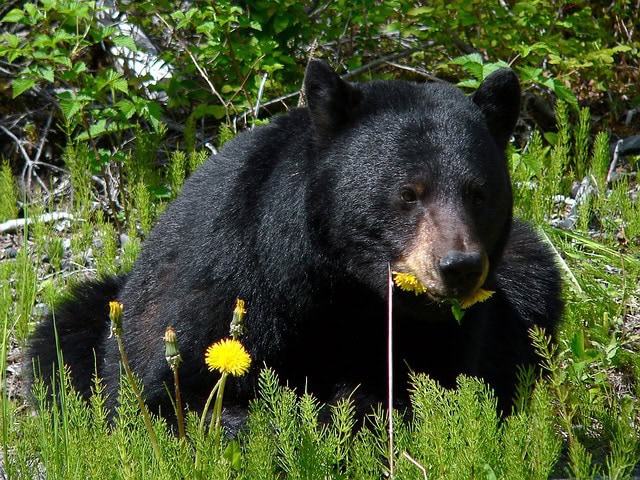
Black Bears Are Back in Westchester: What You Need to Know
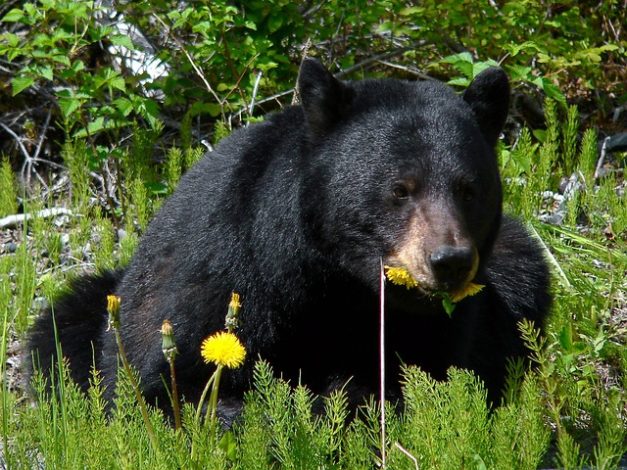
If you’ve noticed more talk about bear sightings in your neighborhood lately, you’re not imagining things. Black bears are making a comeback in Westchester County, and while that might sound alarming, there’s little cause for concern.
A Growing Presence
Black bears don’t call Westchester home permanently, at least not yet. The New York State Department of Environmental Conservation classifies them as “transient occupants,” meaning they’re passing through rather than settling down. But these visits are becoming increasingly common.
The numbers tell the story: Westchester saw just 2 reported bear sightings in 2019. That jumped to 11 in 2020, then 16 in 2021. And the trend continues today, with multiple towns reporting sightings within just the past few days. Just yesterday, a bear near the Saw Mill Parkway in Pleasantville had to be tranquilized and relocated.
Why Now?
This isn’t just a Westchester phenomenon. Black bears are returning to areas east of the Hudson River, including Dutchess and Putnam counties—where they hadn’t been regularly spotted for decades. With New York State’s black bear population estimated at 6,000-8,000 animals, the species is expanding back into historic territories.
Bear activity follows predictable seasonal patterns. June brings breeding season, when young bears strike out to claim their own territories. You’ll also see more activity in fall as bears bulk up before winter hibernation, searching for food sources to sustain them through the cold months.
No Need to Panic
Here’s the most important thing to know, black bears pose minimal danger to humans. Despite their imposing size, they’re generally timid around people.
When confronted, black bears rarely attack. Instead, they typically resort to bluffing behaviors—mock charges, loud blowing noises, and pawing at the ground. These displays are meant to intimidate, not precede an actual assault.
The statistics bear this out (no pun intended):
– Fewer than 1 black bear attack occurs per year in the entire United States
– Your chances of being injured by a bear are roughly 1 in 2.1 million
Being a Good Neighbor
While black bears aren’t dangerous, that doesn’t mean we should attract them to our neighborhoods. Bears that become accustomed to human food sources can become nuisances and may eventually need to be relocated or, in extreme cases, euthanized.
Protect both bears and your community by following these simple guidelines:
- Secure Your Garbage: Use bear-resistant containers or keep trash indoors until collection day. This is the single most important step you can take.
- Rethink Bird Feeders: Remove them during active bear season (April through November). That feeder might attract cardinals, but it’s also a bear magnet.
- Don’t Feed Pets Outside: Bring pet food bowls indoors after meals.
- Don’t Feed Wildlife of any kind. This can draw in a hungry/curious bear
Looking Ahead
As Westchester’s bear population continues to grow, sightings will likely become more routine. That’s a conservation success story—these animals are reclaiming habitat they once occupied.
The key is learning to coexist peacefully. By taking simple precautions and understanding bear behavior, we can share our beautiful county with these impressive animals while keeping everyone safe.
If you spot a bear, enjoy the moment from a safe distance, secure any attractants around your property, and report the sighting to the New York State Department of Environmental Conservation. With a little awareness and preparation, Westchester’s returning black bears can be a positive development for both humans and wildlife.
ABOUT THE AUTHOR
Leave a Reply